
𝐑𝐨𝐲𝐚𝐥 𝐓𝐞𝐱𝐭𝐢𝐥𝐞 𝐀𝐜𝐚𝐝𝐞𝐦𝐲 𝐋𝐚𝐮𝐧𝐜𝐡𝐞𝐬 𝐏𝐫𝐨𝐭𝐨𝐭𝐲𝐩𝐞𝐬 𝐭𝐨 𝐑𝐞𝐯𝐨𝐥𝐮𝐭𝐢𝐨𝐧𝐢𝐳𝐞 𝐁𝐡𝐮𝐭𝐚𝐧𝐞𝐬𝐞 𝐖𝐞𝐚𝐯𝐢𝐧𝐠
October 1, 2025:
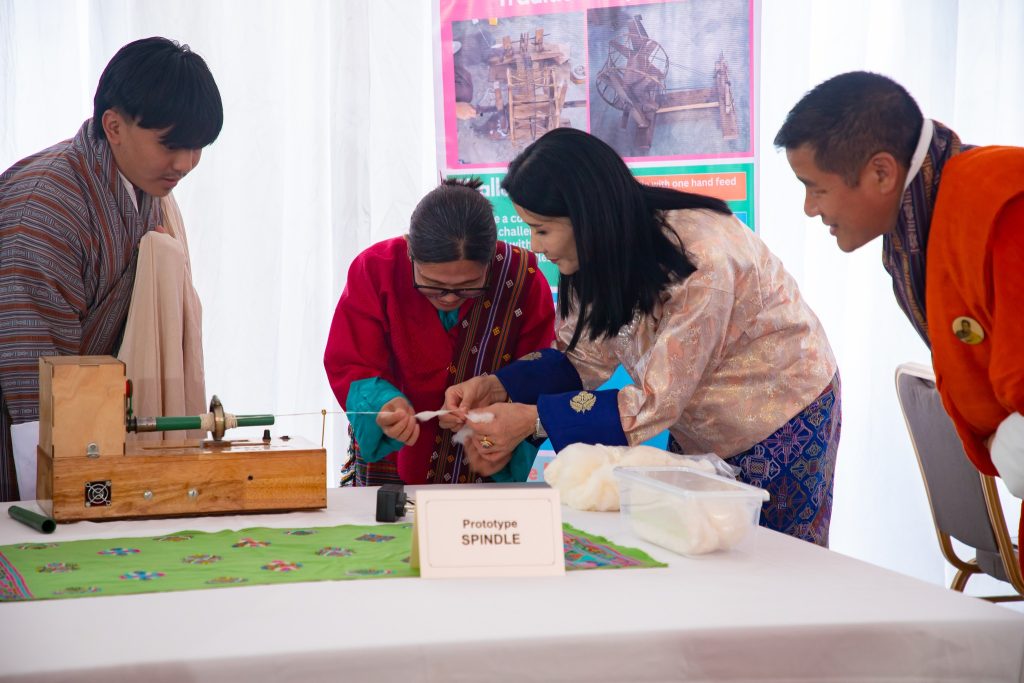
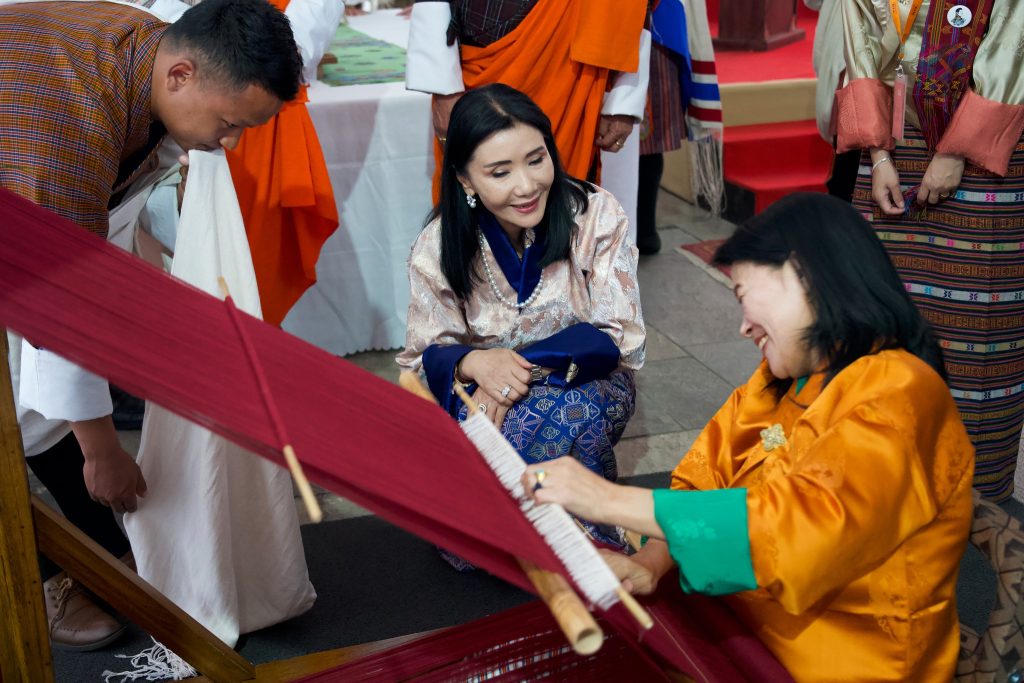
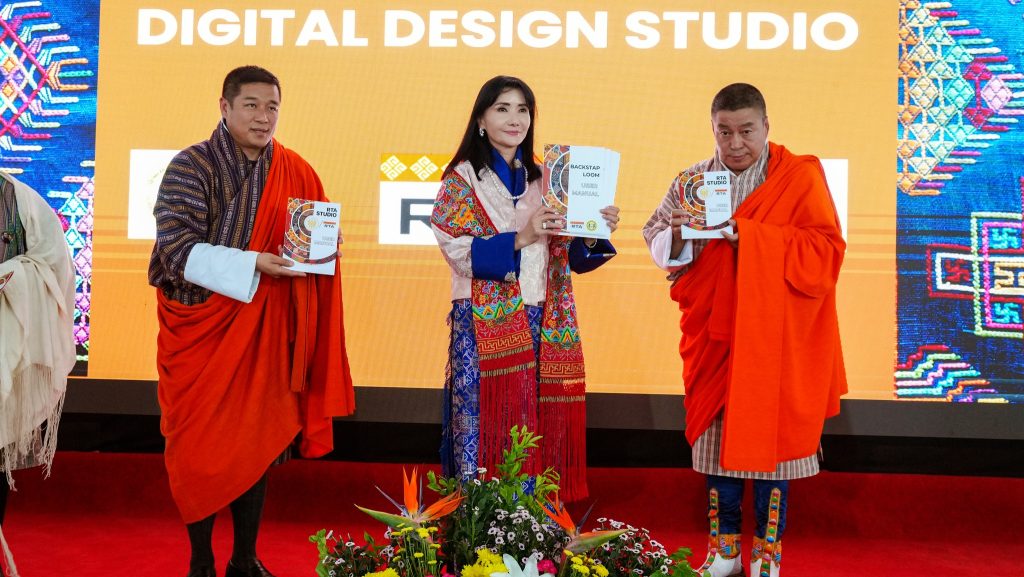
For the past two days, RTA had a series of programs in celebration of the commencement of our fourth and final phase of construction, “The Elephant.” As part of the celebration, under the esteemed patronage of Her Majesty The Queen Mother, Sangay Choden Wangchuck, the RTA officially launched the prototypes of four innovative projects on September 29, 2025, marking a significant leap forward in its mission to preserve, promote, and perpetuate the sublime art of Bhutanese textiles.
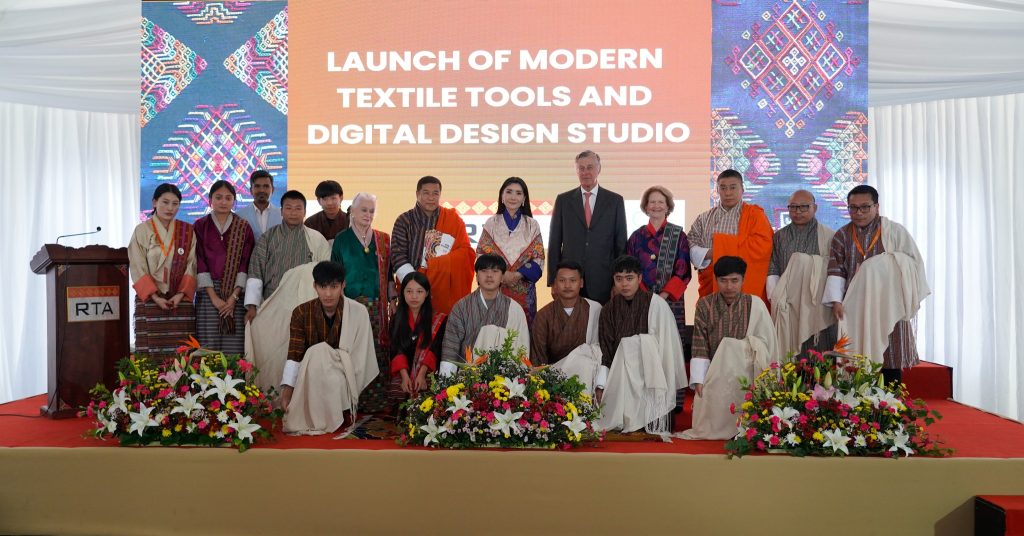
The event was graced by the Royal Patron of RTA, Her Majesty Queen Mother Sangay Choden Wangchuck, dignitaries, and officials. The launch event celebrated the successful collaboration between the Academy and two of Bhutan’s leading educational institutions: Gyalpozhing College of Information Technology (GCIT) and Jigme Namgyel Engineering College (JNEC). These projects, developed under the RTA’s “Weaving into the Future Program”, aim to empower artisans through innovation and bridge the gap between academic learning and real-world community challenges.
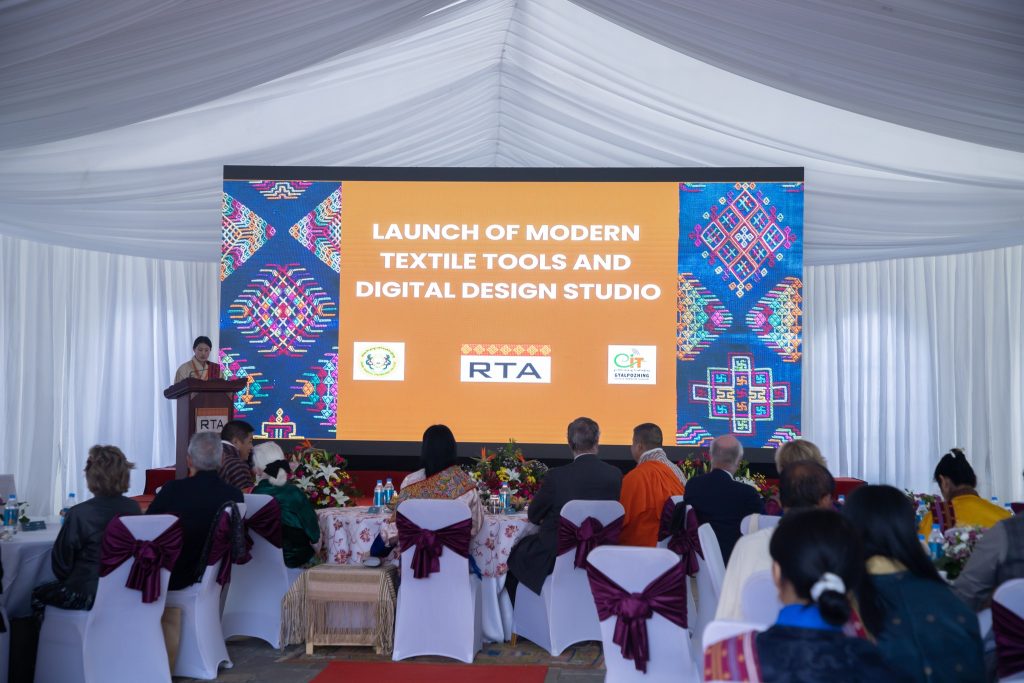
The projects, fully funded by the RTA through the generous support of the William H. Geiger Family Foundation Inc., address key challenges in the textile production process:
1. Semi-Mechanized Backstrap Loom (by JNEC): This prototype offers a semi-mechanical solution that preserves the essence of traditional weaving while reducing the immense physical strain on weavers. This innovation promises to make weaving faster, less strenuous, and more consistent.
2. Locally Fabricated Yarn Processing Equipment (by JNEC): Tackling the very beginning of the textile process, this project successfully developed prototypes for local carding and spinning machinery. This critical step towards self-reliance will reduce dependence on imported equipment, lower costs, and allow for greater control over the quality of the foundational materials.
3. Digital Design App (by GCIT): Bringing Bhutan’s textile heritage into the digital age, this application is a functional application that serves as a digital sanctuary and living archive of intricate Bhutanese patterns and motifs. The app will be an invaluable tool for weavers and designers, offering digital design templates, while also acting as a global window into the complexity of this art form.